Record the Bed Before Sweet Potatoes Are Lifted
A sweet potato bed can look settled long before it is ready to be cleared. The vines may have covered the row, the soil may be hard to see, and each day can make the work feel more urgent. Before lifting starts, take a few minutes to record what the bed looks like and where its conditions changed.
This is not a full field report. It is a short record that makes the harvest easier to organize: where the vines were strongest, which end stayed damp, where the row narrowed, and where a careful dig will need more room. Those details are much easier to see before the vines are cut back and the soil is disturbed.
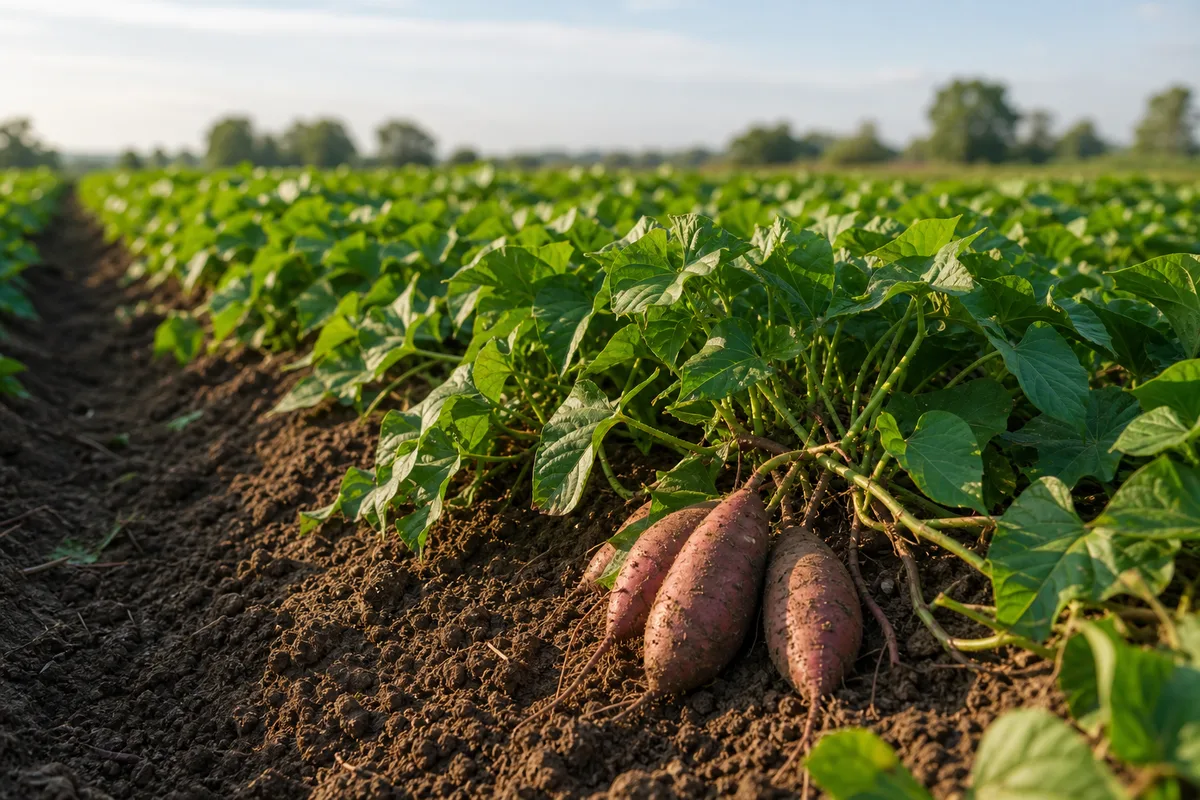
Walk the row from both ends
A row can look different when it is approached from the opposite side. One end may have more open soil, while the other is crowded by vines. One edge may drain well, while the next section holds moisture after every watering. Walk the whole length before choosing where tools and harvest containers will sit.
The habit works best when it becomes part of an ordinary check, not a separate project. A weekly walkthrough helps make those small differences familiar, so the pre-harvest walk can focus on what changed since the last pass.
Write down the places that need gentler digging
Not every part of a bed opens the same way. A section with heavy vine growth may need a wider first cut. A section near a path may have compacted soil. A low area can hold enough moisture to make roots and soil harder to separate cleanly. Marking these spots with a short note keeps the first few minutes of harvest from becoming a hurried search.
That is especially useful after a wet period. The earlier note about checking the low spot after watering is a good companion because the lowest part of the bed often needs its own timing and handling.
Keep the record close to the harvest plan
A useful record should answer a practical question. Which section is first? Where will harvested roots rest before sorting? Which path needs to stay open? A few words are enough: “start at dry end,” “keep crates off damp edge,” or “leave room beside the trellis.” The goal is to reduce decisions once lifting has begun.
Photographs can help here, but only when they show a repeatable view of the bed. The post on taking one reference photo before the bed changes explains why one clear image can be more useful than a long collection of casual pictures.
Separate harvest work from sorting work
Once the first roots are out, it is easy to let everything collect in one place. That makes it harder to notice where they came from and whether a section needs different handling. Keep a simple boundary between lifting, setting aside, and sorting. The bed record gives that boundary a reason: roots from the damp edge, compacted corner, or easy-draining middle do not have to be treated as one identical pile.
There is no need to make the process complicated. The value comes from preserving enough context to make the next decision easier. The note on not letting storage start on sorting day carries the same idea forward, when field differences still matter after the crop has left the soil.
Leave one line for the next season
Before the notes are put away, add one sentence that would help next year. It might name the section that dried first, the path that became too narrow, or the place where harvest slowed down. That one line is more useful than a vague memory when the next bed is being planned.
Harvest changes the bed quickly. A short record made before the first roots are lifted keeps the original pattern visible long enough to guide the work that follows.

Comments
Post a Comment