Take One Reference Photo Before the Bed Changes
A growing bed changes faster than memory can hold. Leaves widen, paths narrow, soil color shifts, and a small weak corner starts to look normal because it has been there for several days. By the time a problem is obvious, the earlier stage is often hard to picture.
One reference photo can make the next check clearer. It does not replace looking closely at the crop, touching the soil, or writing a short note. It simply gives the grower a fixed point to compare against when the bed feels different but the change is hard to name.
Use the same position
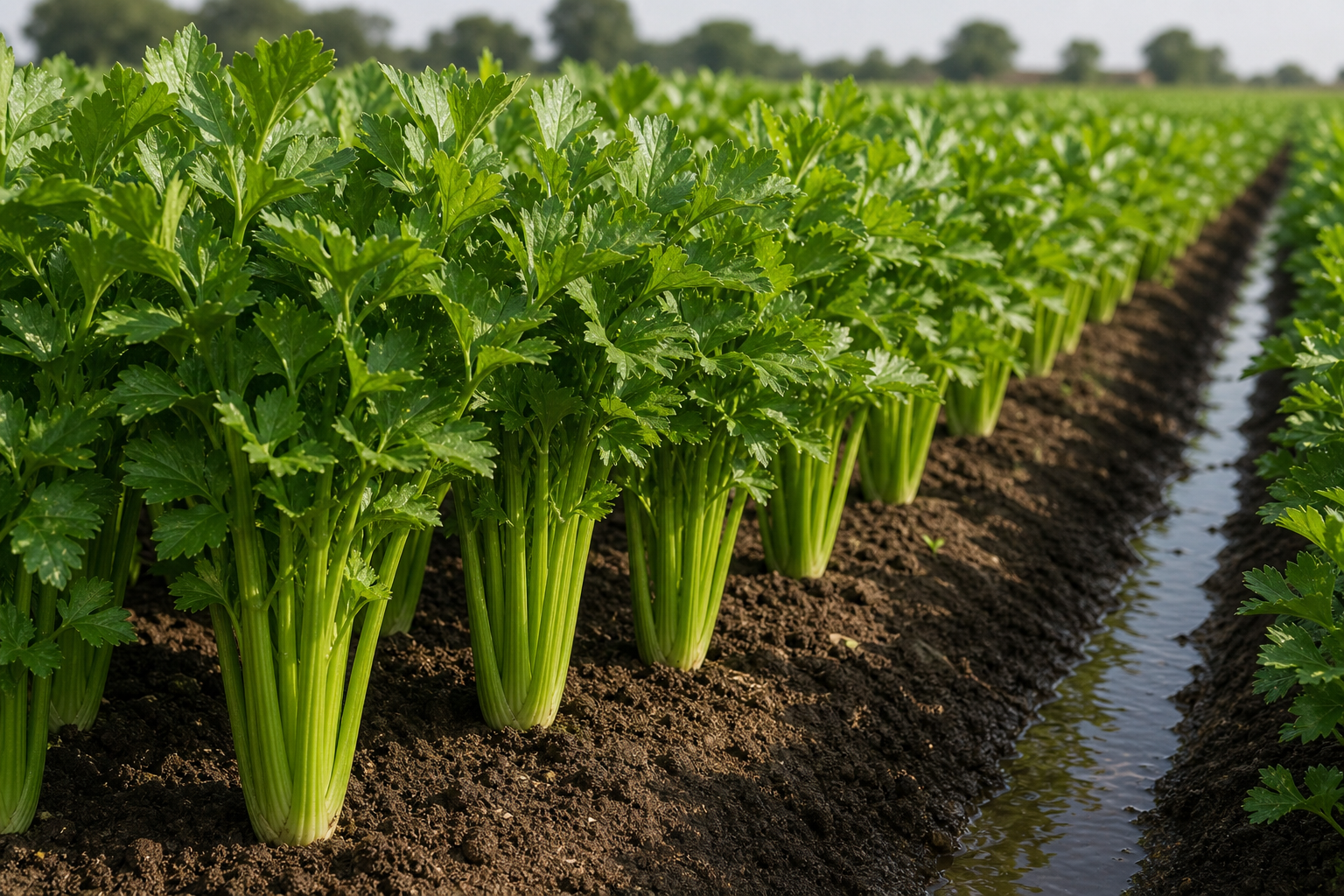
The photo is more useful when it is taken from the same place each time. Stand at the same bed corner, face the same direction, and keep the path edge or row end in the frame. The picture does not need to be beautiful. It needs to be repeatable.
This fits naturally with the idea of a weekly walkthrough to catch slow drift. A repeated route and a repeated photo give the grower two simple ways to notice change before it becomes urgent.
Photograph access, not only leaves
It is tempting to point the camera at the healthiest plant. That can be useful, but the better reference photo often includes the work space around the crop. Can the row still be reached? Is the path still open? Is the soil surface visible enough to judge moisture?
Those access details connect with the earlier note on crowding as a crop signal. A photo may show that the crop looked fine while the working space was already starting to close.
Add one short sentence
A photo becomes much stronger with one sentence beside it. The note might say, “Path still open,” “left edge dries first,” or “new leaves recovering in the morning.” That sentence keeps the photo from becoming just another image in the camera roll.
The habit is small, but it supports the same purpose as keeping small growing decisions visible. The point is not to document everything. The point is to make the next decision easier to check against something real.
Compare before correcting
The most useful time to look at the reference photo is before making a correction. If a bed seems too dense, compare it with last week. If watering feels uneven, compare the soil color and leaf posture from the same angle. If one section looks behind, check whether it was already behind in the earlier picture.
This helps prevent one hot afternoon from controlling the whole decision. The post on checking plants before heat gives the wrong answer is a good reminder that timing can change the story a crop appears to tell.
Keep only the useful photos
There is no need to save every picture forever. Keep the photos that show a clear change, a pattern, or a decision point. Delete the rest. A small set of useful reference images is easier to review than a crowded folder that no one opens.
Used this way, a photo is not a separate task. It is part of the same quiet routine: look, compare, write one clear note, and make the next step smaller. The bed becomes easier to read because yesterday's view is no longer left to memory alone.

Comments
Post a Comment