Check the Low Spot After Watering
A dry edge is easy to notice. A low spot is easier to miss. After watering, the surface may look even for a short time, but one corner can stay wet longer, one path can soften, or one row can hold moisture while the rest of the bed begins to breathe again.
That slow-drying place matters because it changes the next decision. If it is ignored, the grower may water the whole area again for a dry-looking edge while the low spot is still carrying yesterday's moisture. The result is not only uneven growth. It is a bed that becomes harder to read.
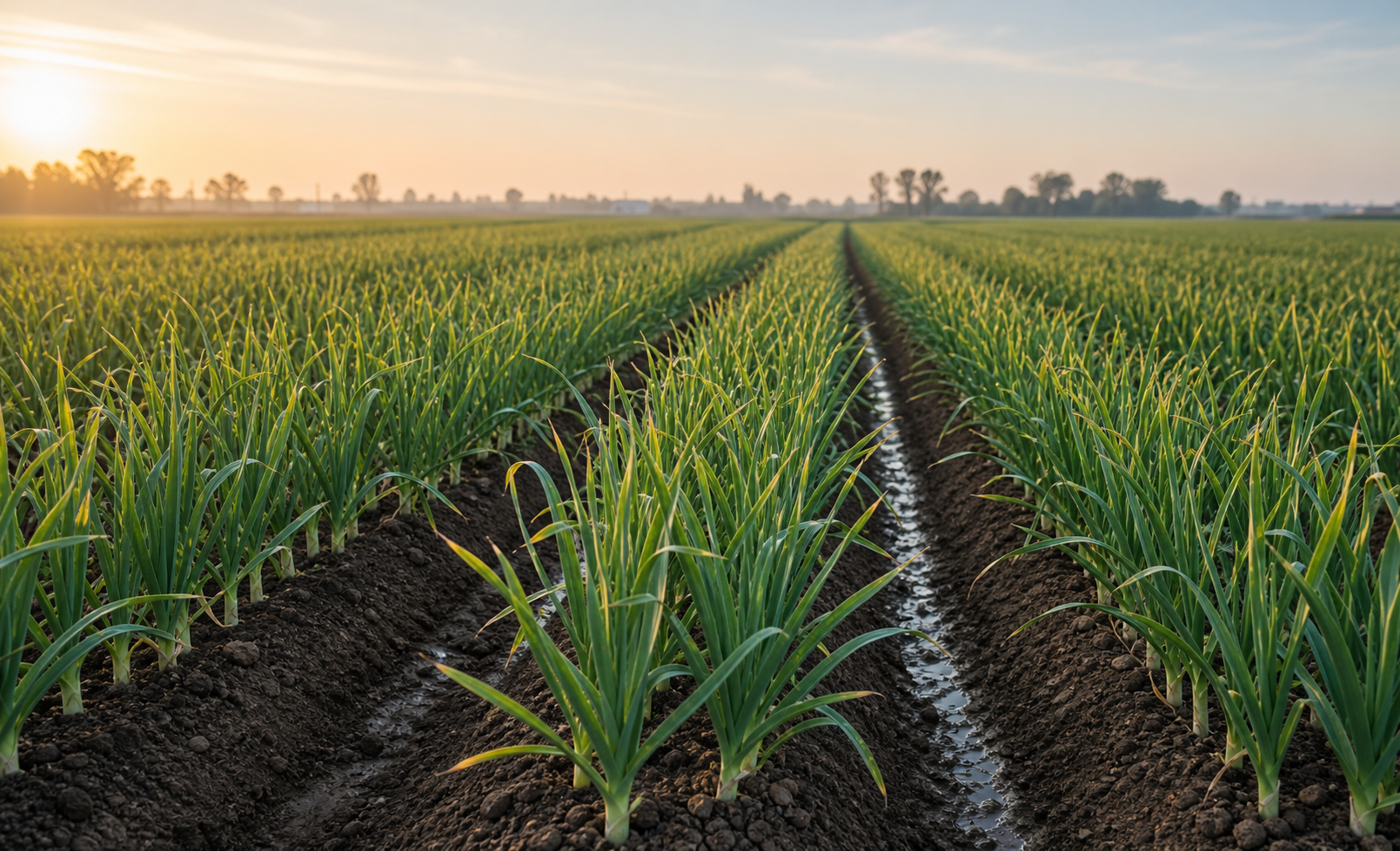
Return after the shine is gone
The first look after watering can be misleading. Wet soil reflects light, leaves may stand differently, and the path may look balanced before water has moved through the bed. A better check comes after the surface shine has faded but before the next watering decision is made.
This follows the same thinking as watering as a timing decision. The question is not whether the calendar says to water. The question is whether the root zone and the slow spots are ready for the next step.
Compare the low spot with the path
A low spot does not always look like standing water. Sometimes it shows up as a softer path, darker soil at the row edge, leaves that stay too lush, or weeds that grow faster in one section. These signs are small, but they help explain why one part of the bed behaves differently.
A weekly route makes those signs easier to find. The earlier post on using a weekly walkthrough to catch slow drift is useful here because water patterns often change slowly, not dramatically.
Do not correct the whole bed for one corner
The common mistake is making one response for the whole bed. A dry top edge may need attention, but the low corner may need air, time, or a lighter hand. Treating both areas the same can make the unevenness worse.
A short note helps keep the response specific. Mark the corner, write down when it stayed wet, and compare it again after the next watering. That connects naturally with keeping small growing decisions visible, where the record is meant to prevent repeated small guesses.
Use a photo when the pattern is hard to explain
Some moisture patterns are hard to describe in words. A quick photo from the same path can show soil color, leaf posture, and how the bed edge changes after water moves through. It is especially useful when the issue appears only in one section.
The same habit was covered in taking one reference photo before the bed changes. For watering checks, the photo is not decoration. It is a simple comparison tool.
Let the slow spot set the next check
The slowest-drying section should shape the next visit. If it improves, the bed may only need a small timing adjustment. If it stays wet again and again, the cause may be bed shape, compaction, shade, or water delivery. Either way, the next check becomes more focused.
When the low spot is watched instead of ignored, watering becomes less automatic. The grower can respond to the bed as it actually behaves, not only to the driest part that catches the eye first.

Comments
Post a Comment