Check Leaf Beds Before Heat Changes the Texture
Leaf crops often give a warning before quality slips. The leaves still look green, the bed still looks full, and the row may seem productive from the path. But texture can change quickly when heat, moisture swings, and crowding begin to work together.
A good leaf-bed check is not only about whether the plants are alive. It is about whether the leaves are still tender enough, open enough, and easy enough to harvest before the next hot spell changes the crop. That check is easier when it happens before the bed looks stressed.
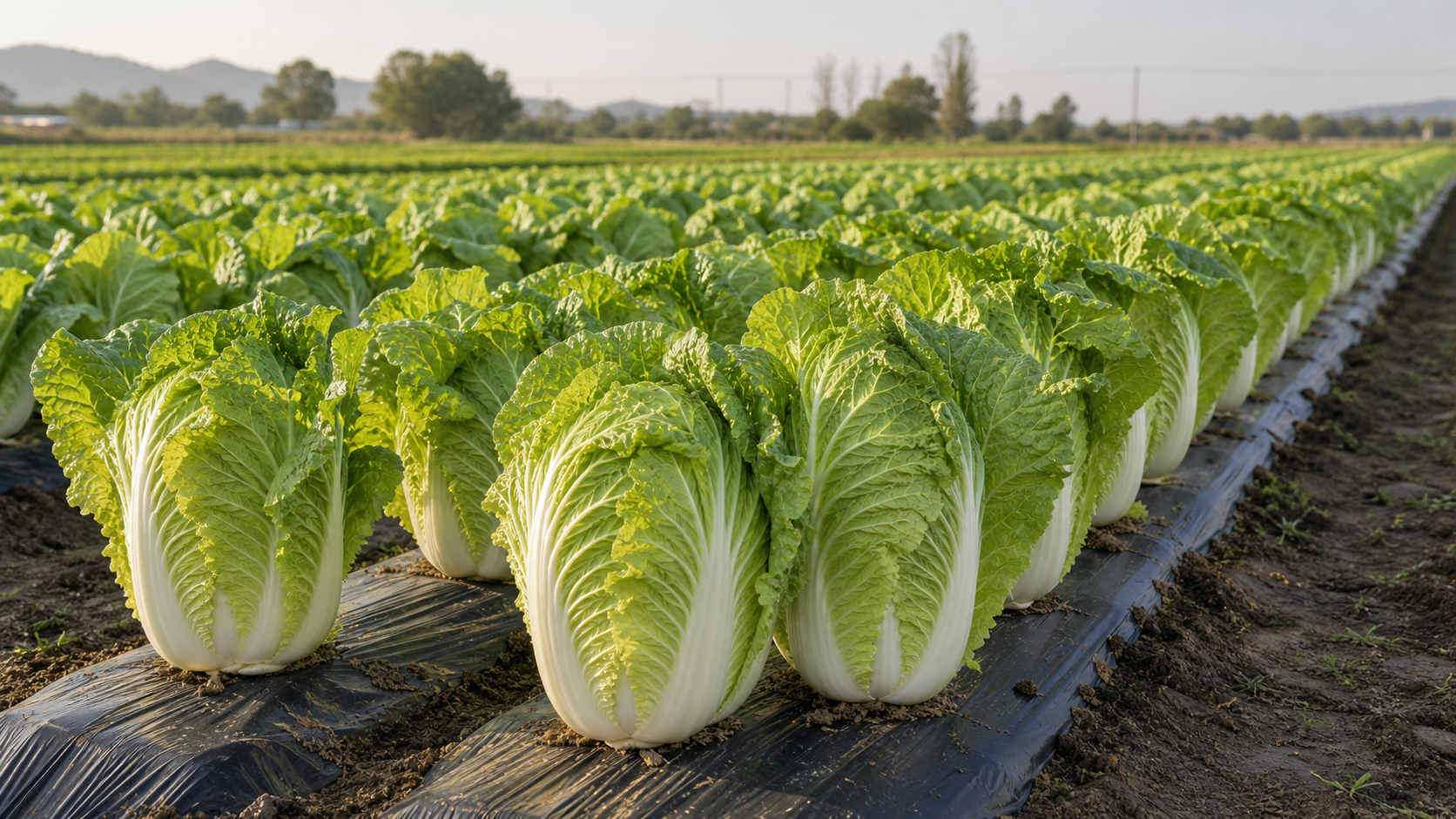
Check the morning texture first
Morning checks show whether the crop recovered overnight. If leaves still feel flexible and the bed looks even, the grower has more room to plan. If the leaves already feel tough or uneven before the day heats up, the next decision should not wait for the afternoon picture.
This connects with the earlier note on checking plants before heat gives the wrong answer. Heat can exaggerate symptoms, but a weak morning signal often deserves attention.
Shade should be checked, not assumed
Temporary shade can help a leaf crop, but shade placement changes as the sun angle, row height, and nearby plants shift. A shade line that worked last week may miss the bed now, or it may hold moisture in one section longer than expected.
For spinach, warm conditions make this especially important. The guide on spinach shade, watering, and short harvest windows in warm weather gives a practical frame for judging shade and water together instead of treating them as separate fixes.
Moisture swings change leaf quality
Leaf crops often dislike sharp swings. A bed that dries hard and then receives a heavy correction can look better for a day while texture still declines. The goal is to read the whole bed, including edges and slow-drying sections, before repeating the same watering pattern.
The post on checking the low spot after watering is useful here because leaf beds can hide uneven moisture under a full canopy.
Spacing affects the harvest window
In a leafy bed, spacing is not only about how many plants fit. It affects airflow, leaf thickness, and how easy it is to harvest before the crop becomes coarse. Once the bed closes too tightly, the grower may see fullness while losing quality.
This is why the page on Chinese cabbage spacing, moisture, and heading checks is a useful companion for leaf-bed decisions. Even when the crop is different, the principle is the same: spacing and moisture need to be checked before the bed becomes hard to read.
Let the next harvest stay small
A leaf-bed check does not always lead to a full harvest. Sometimes the better move is a small pick from the fastest section, a shade adjustment, or a note to return earlier than planned. Small decisions keep the crop useful without forcing the whole bed into one answer.
That fits with watering as a timing decision and with the habit of using a weekly walkthrough to catch slow drift. The grower is not waiting for a dramatic problem. The grower is keeping the bed readable while quality is still easy to protect.
Leaf crops reward timely checks. Once texture changes, the decision is often rushed. Before that happens, a short morning look can keep shade, water, spacing, and harvest timing in the same conversation.

Comments
Post a Comment