Check Plants Before the Heat Gives the Wrong Answer
A plant can look very different at noon than it looked in the morning. Leaves soften, paths feel hotter, soil surfaces dry quickly, and a bed that seemed balanced can suddenly look stressed. That afternoon picture is useful, but it is not always the whole truth.
Many growing mistakes begin when one hot moment is treated as the final answer. A wilted leaf may lead to unnecessary watering. A dense canopy may look worse than it really is. Fruit may seem closer to harvest because the plant looks tired. A better habit is to compare the crop at more than one time of day before changing the plan.
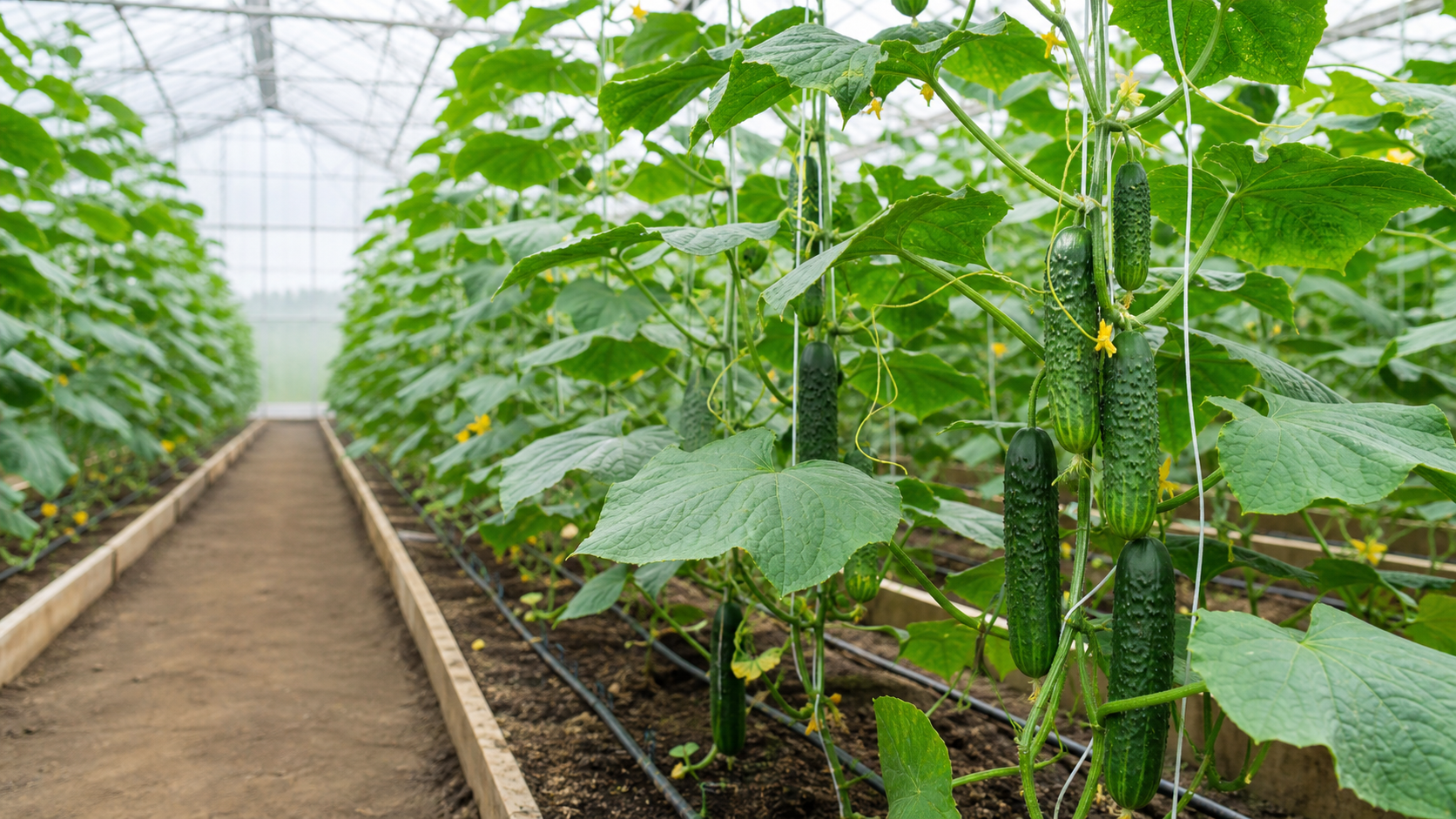
Morning checks show recovery
The morning check is useful because it shows what the crop did overnight. If leaves have recovered, the root zone may be working better than the afternoon stress suggested. If the plant still looks weak in the morning, the issue is more likely to deserve a closer look.
This is where a clear question helps. Instead of asking whether the whole crop looks good or bad, ask what changed since yesterday. The earlier note on bringing one question to each crop check is a good fit for this kind of comparison.
Afternoon stress needs context
Afternoon stress should not be ignored. It can show where the bed is too exposed, where airflow is weak, where water is uneven, or where fruit load is starting to pull on the plant. The mistake is treating every afternoon symptom as a watering order.
A better response is to compare the hot-period signal with the next cool-period check. If the same area struggles both times, the problem is more stable. If it recovers overnight, the next decision should be slower. That connects naturally with the article on watering as a timing decision.
Use shade and access as clues
Time of day also changes what you can see. A path that looks open in the morning may feel blocked when leaves soften in heat. A shaded edge may hide slow drying. A crowded section may look manageable until harvest work begins. These details are easier to understand when checks are repeated at consistent times.
If the hot part of the day makes the crop hard to inspect, the issue may be access rather than only heat. The note on crowding as a crop signal is useful because it treats visibility and work space as part of crop health.
Write down the time, not just the symptom
A short note becomes more useful when it includes the time of day. “Leaves soft at 2 p.m.” means something different from “leaves soft at 7 a.m.” A crop that recovers every morning needs a different response from one that begins the day already under pressure.
The goal is not to create a complicated record. It is to keep the next decision honest. When the same crop is seen in the morning and again during heat, the grower can separate temporary stress from a pattern that needs action.

Comments
Post a Comment