A Pumpkin's Resting Place Is Part of the Harvest Plan
A pumpkin can look well protected under a large canopy and still need a better place to rest. As vines spread, fruit may settle into a damp hollow, press against a crowded stem, or disappear under leaves where it is hard to inspect. The last part of the season becomes easier when each fruit has a clear, dry position that can be checked without moving the whole plant.
The goal is not to rearrange every vine. It is to notice where a fruit is sitting, whether water can drain away from it, and whether there is enough room to see its skin and stem as harvest approaches. A small adjustment made while the fruit is still growing is usually gentler than a rushed correction during the final picking week.
Look at the ground before looking at the fruit
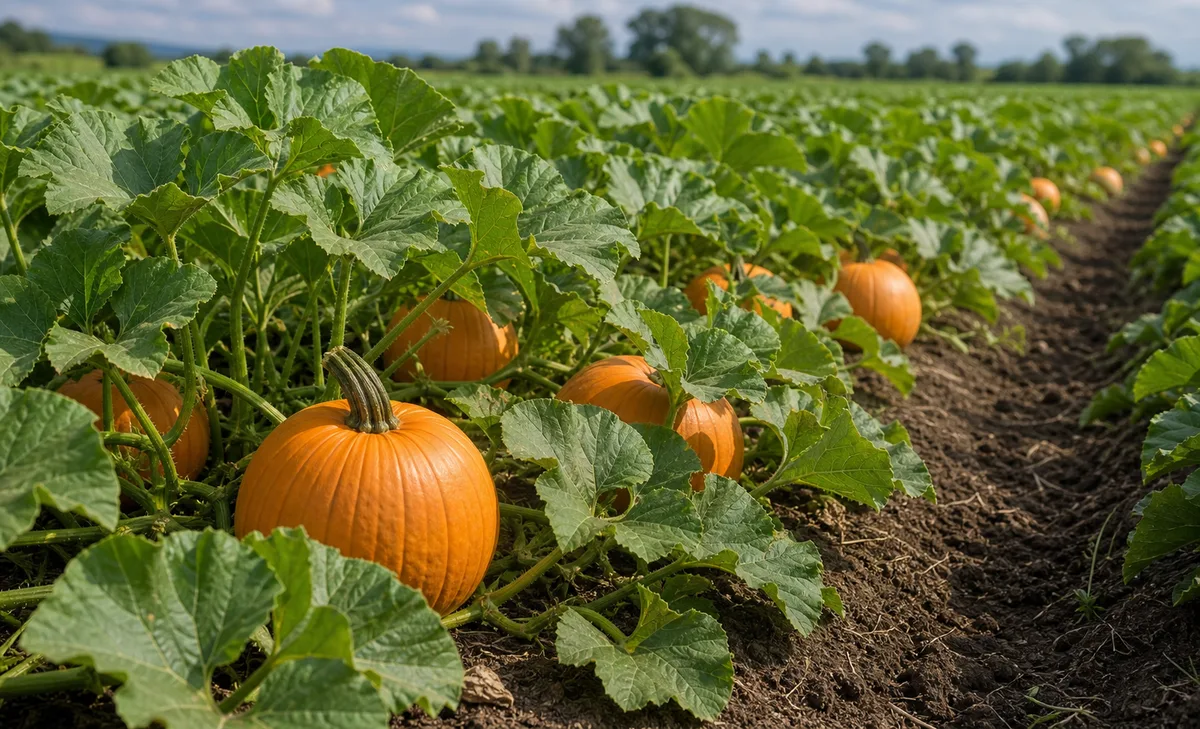
Start by checking what is directly under the pumpkin. A fruit resting on firm, dry ground is easier to monitor than one sitting in a low pocket where water collects after rain or irrigation. The ground does not need to be perfect, but it should not keep the fruit hidden in wet soil or tangled debris.
This is one reason the habit of checking the low spot after watering remains useful late in the season. Moisture patterns do not stop mattering when fruit has already set.
Leave room to read the stem and skin
Leaves and vines can make a pumpkin look more protected than it is. If the fruit is completely covered, it becomes difficult to notice a soft spot, a change in color, or a stem that is beginning to dry. Clear only enough surrounding growth to make a calm inspection possible. The fruit still benefits from leaf cover; it simply should not disappear from view.
The main guide on pumpkin side shoots and fruit set provides a useful frame for keeping vine direction, fruit load, and growing space connected before the bed becomes crowded.
Do not make the last check a search
A harvest check works better when the fruit can be found and approached from the same side each time. Mark a path, keep one edge of the vine bed understandable, and avoid stacking tools where they will force vines to be moved later. These small choices protect the fruit and make it easier to compare its condition from one visit to the next.
That is closely related to giving vine crops access before more growth. Access is not only for harvest day; it is what makes the crop readable while decisions are still possible.
Let the resting place inform harvest timing
A dry, open resting place does not decide maturity on its own, but it makes the useful signals easier to see. Skin texture, stem condition, and the overall feel of the fruit are more reliable when they are checked without digging through wet leaves or turning the pumpkin repeatedly. If several fruits are at different stages, the clearer positions also help keep early and later harvest batches separate.
For a closer look at fruit position, skin, stem, and handling before lifting, the main guide to pumpkin maturity checks before harvest is a practical companion.
Carry the field difference into sorting
When pumpkins begin to come in, it is useful to remember where they rested. Fruit from a dry, open section may be ready for the next stage sooner than fruit that sat in a damp or crowded area. Keeping that context for one more step can make sorting calmer and prevent every fruit from being treated as though it had the same final weeks in the field.
The earlier post on not letting storage start on sorting day follows the same logic: handling decisions are easier when the conditions before harvest have not been forgotten.
A good resting place is a small part of the growing plan, but it has a long effect. It keeps the fruit visible, the ground condition honest, and the final harvest decision easier to make without haste.

Comments
Post a Comment