Pick One Sample Before You Pick the Whole Row
A crop can look ready from the path and still need one more quiet check. Leaves may suggest size, color may suggest maturity, and the calendar may suggest harvest, but none of those signs is as clear as a small sample taken before the whole row is disturbed.
One sample does not need to become a big job. It can be one root, one fruit, one handful, or one small section. The purpose is to slow the decision just enough to see what the crop is really doing below the surface, inside the canopy, or under the top layer of leaves.
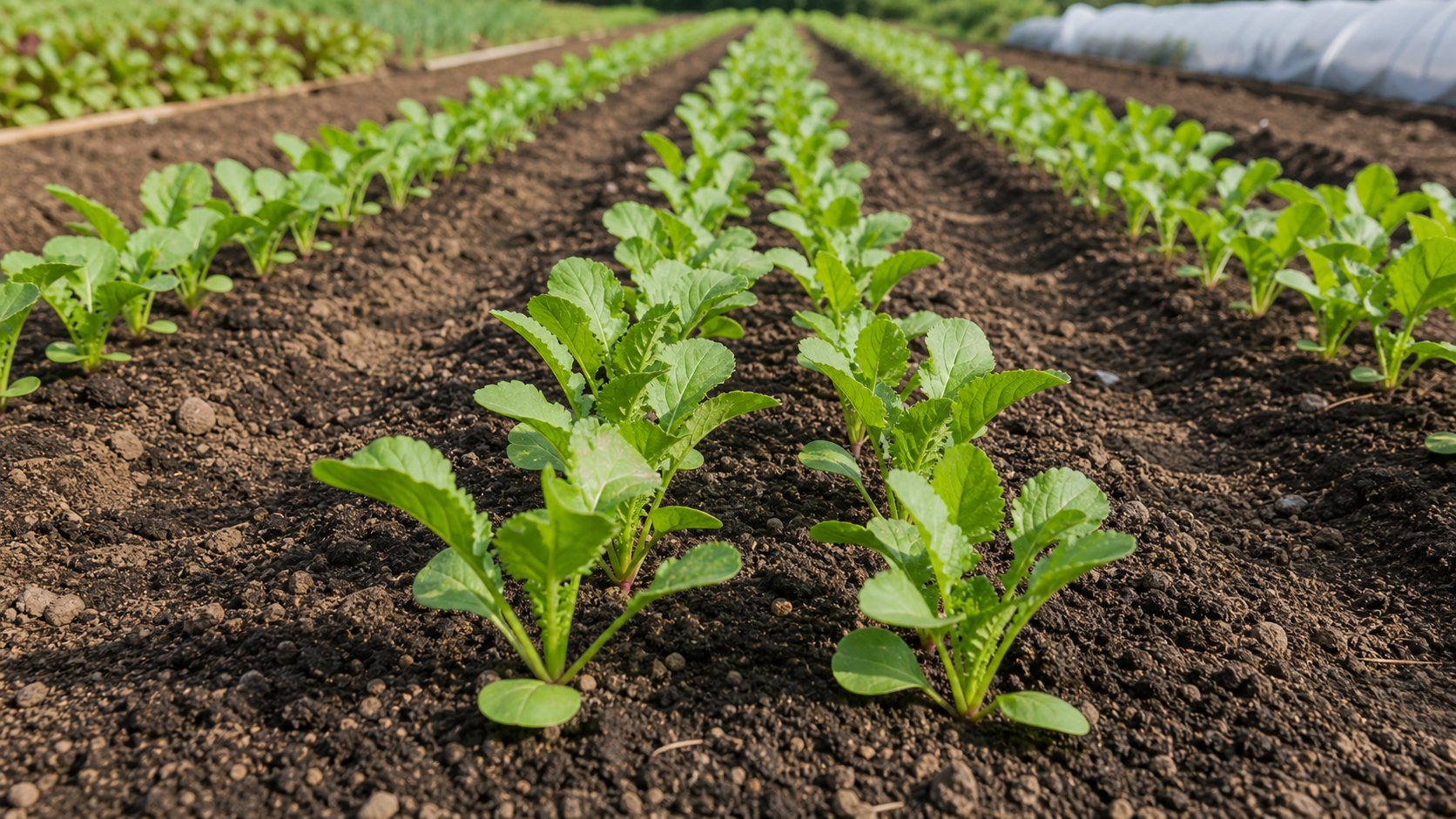
Sample the place that represents the row
The first sample should not come from the biggest plant unless the question is only about the best possible result. It should come from a spot that represents the row: not the weakest edge, not the richest corner, and not the plant that already looks unusual.
This habit fits well with reading the crop before harvest week. The sample is one more signal, not a replacement for looking at the whole bed.
Look for unevenness before volume
A sample can show whether the crop is ready, but it can also show whether the crop is uneven. If one root is large and the next is still small, the better decision may be a selective harvest instead of clearing the whole row. If fruit size changes sharply from one end to the other, the next check should focus on why that pattern formed.
This is where a short field note helps. The post on keeping small growing decisions visible is useful because sample results are easy to forget once harvest work begins.
Do not let the first good sample rush the job
A good sample is encouraging, but it can also be misleading. One ready plant does not mean every plant is ready. The next step is to compare the sample with the section around it, then decide whether the crop needs a full harvest, a partial pick, or a few more days.
That slower approach connects with the idea of a weekly walkthrough to catch slow drift. A row often tells the truth through repeated small comparisons rather than one dramatic sign.
Use the sample to plan the next pass
The sample should answer a practical question: what should happen next? Maybe the outer section can be harvested first. Maybe the crop needs steadier moisture before the next check. Maybe the harvest window is open, but storage quality still needs sorting.
After the first pass, the same habit can continue. The note on resetting the next round after the first harvest is a good companion because a sample is often the beginning of a harvest sequence, not the end of the decision.
Leave the row easier to read
Sampling should make the row clearer, not messier. Mark the section, close loose soil if needed, and keep the next check simple. If the sample showed uneven growth, write down where it came from. If it showed good timing, note what made the decision clear.
The best sample is small, honest, and easy to compare. It turns a guess into a practical next step. Before the whole row is picked, one careful look can protect both the crop and the harvest plan.

Comments
Post a Comment