Seedbed Gaps Need a Second Look Before You Fill Them
Empty spaces in a seedbed can make a grower want to act quickly. It is easy to reach for more seed, fill every gap, and hope the bed looks even again. But a gap is not always a simple invitation to resow. Sometimes it is a clue.
Before filling the space, it helps to ask what the gap is showing. Was the soil crusted? Did one edge dry faster? Were seeds buried unevenly? Did the first seedlings come up too thick in one area and thin in another? A second look can prevent the next sowing from repeating the same problem.
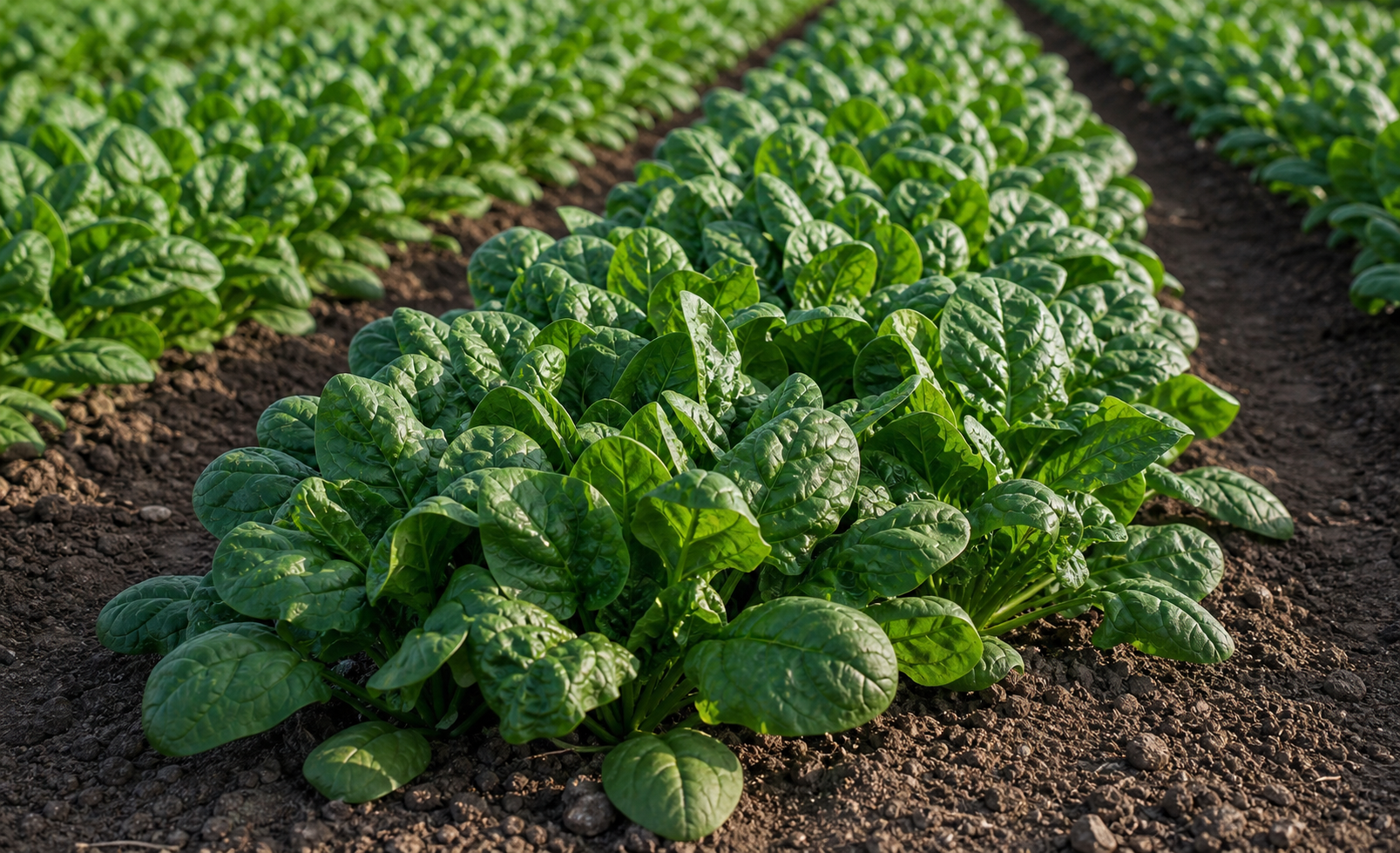
A gap can be a timing note
Fast leafy crops often teach this lesson clearly. A bed that is sown all at once may give too much crop in one short window, while a bed with small uneven gaps may actually be easier to turn into a staggered harvest. The question is whether the empty area should be filled now or saved for the next small round.
Spinach is a good example because tender leaves depend on sowing amount, emergence moisture, thinning, and harvest timing. The spinach growing guide is a useful deeper reference when deciding whether smaller sowings would be more practical than one full bed.
Root crops need extra patience with gaps
Root crops make gaps feel more frustrating because the harvest depends on even early growth. Still, rushing a resow into a poor seedbed can make the next roots just as uneven. Fine soil, shallow sowing, steady surface moisture, and timely thinning matter more than filling every space immediately.
Carrots show why this matters. A rough seedbed or uneven early moisture can affect root shape later, long after the gap first appears. The carrot growing guide gives more context on seedbed preparation, thinning, watering, and later root quality checks.
Use the empty space as a question
Instead of asking only how to fill the gap, ask what the gap should teach the next visit. Is the empty strip on the dry side of the bed? Did it happen where water runs off? Is it near the edge where soil warms or dries faster? Did the seedlings nearby emerge too thick and need thinning before more seed is added?
This fits naturally with the earlier note on bringing one question to each crop check. A seedbed gap gives the next crop check a clear focus.
Do not let a small gap create a crowded bed
Filling every open space can create a different problem later. What looks like a tidy correction today may become crowding after the next flush of leaves. If the bed already has enough plants for the planned harvest, some empty space may be more useful as access, airflow, or room for staggered sowing.
The article on crowding as a crop signal is relevant here because spacing changes as plants grow. A neat seedbed is not always the same as a workable crop.
Record what you decide not to do
One of the most useful notes is the action you choose not to take. Not every gap needs seed today. Not every weak patch needs a full correction. Sometimes the better decision is to wait three days, thin the crowded patch first, or reserve the space for a second sowing.
A short note makes that decision easier to remember. The earlier piece on keeping small growing decisions visible is useful because seedbed choices are exactly the kind of small decisions that disappear from memory by the next week.

Comments
Post a Comment